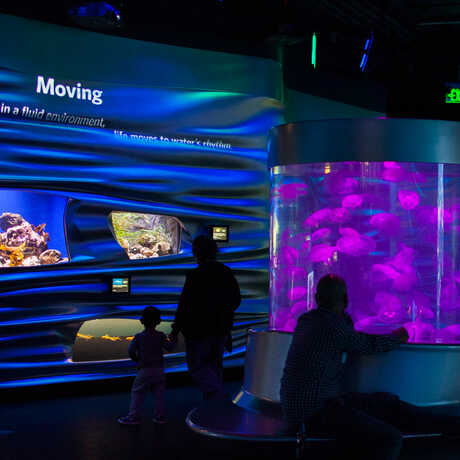
From deep sea to deep space, your Academy ticket is your passport to science adventures. Explore our exhibits, public programs, events, and more.
New & featured
Spring in the Garden
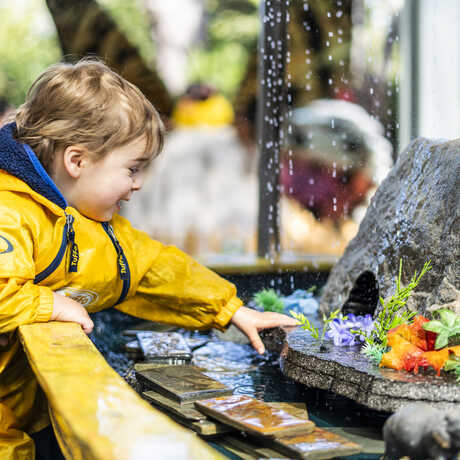
Bring your wild things to the Academy for Riveropolis, Bugtopia, and other hands-on programs. March 9-April 28.
City Nature Challenge
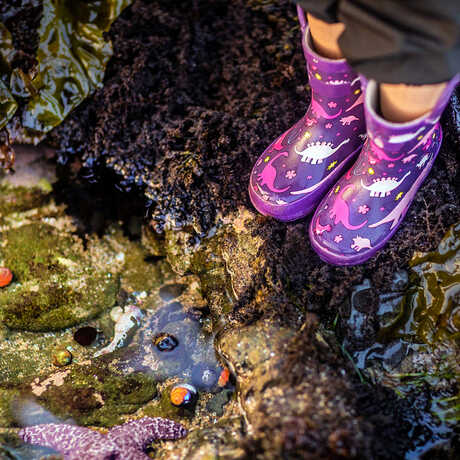
April 26-29: Join our annual global community science event to find, document, and share local biodiversity!
NightLife Intersections: Music

Feel the beat of connection through the power of musical instruments.
Twilight Zone: Deep Reefs Revealed
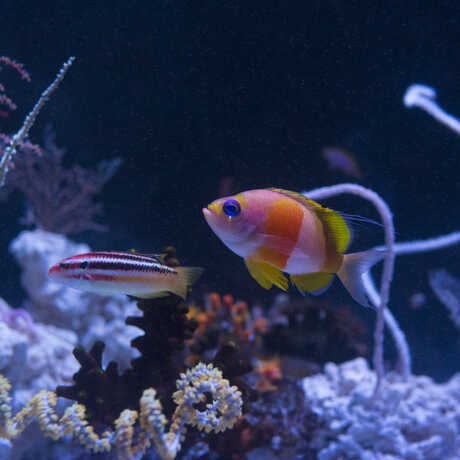
Descend into the twilight zone, where sunlight is scarce and every dive yields surprising discoveries.
Penguin Feeding
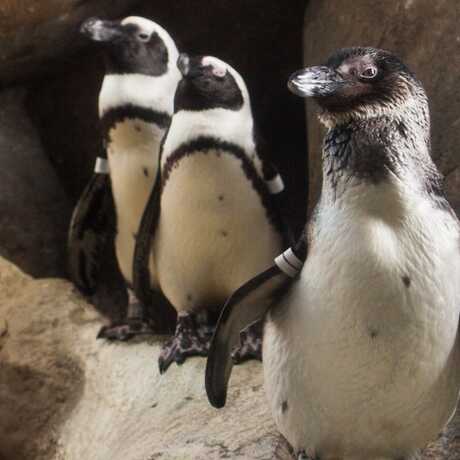
Learn about our charismatic African penguin colony from an Academy biologist. 10:30 am and 3 pm daily.
Iconic exhibitions
Steinhart Aquarium
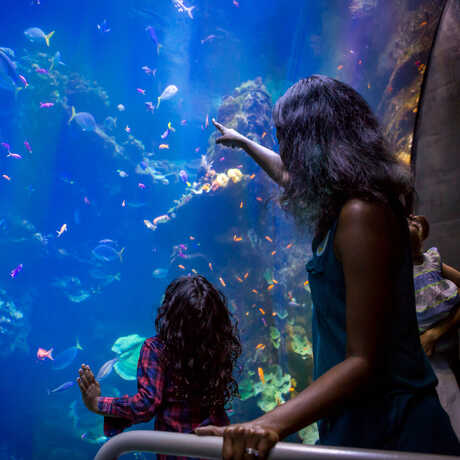
Come face-to-fin with nearly 60,000 animals—from deep-sea oddities to Claude, our alligator with albinism.
Morrison Planetarium
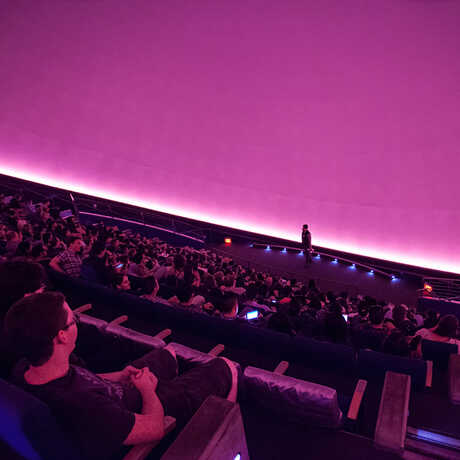
The interior of Morrison Planetarium—one of the world's largest all-digital domes.
Experience the cosmos from the Academy's all-digital, 75-foot planetarium dome. Reservations required.
Osher Rainforest
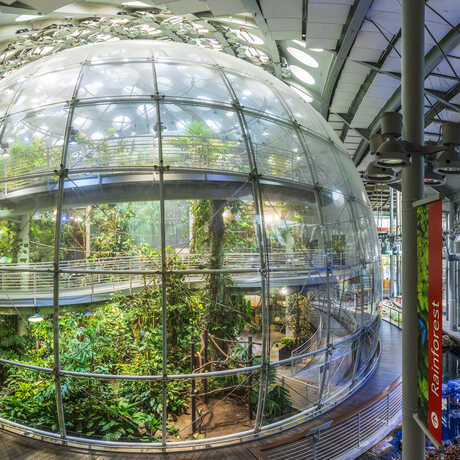
Journey through a living 4-story rainforest, home to free-flying butterflies and birds and giant Amazonian fish.
Kimball Natural History Museum
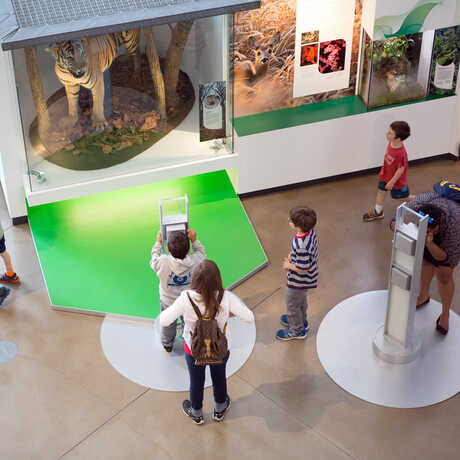
Explore hands-on exhibits, fascinating specimens, and the latest research conducted by Academy scientists.
Ongoing exhibitions
Hidden Wonders: Inside the Academy's Collections
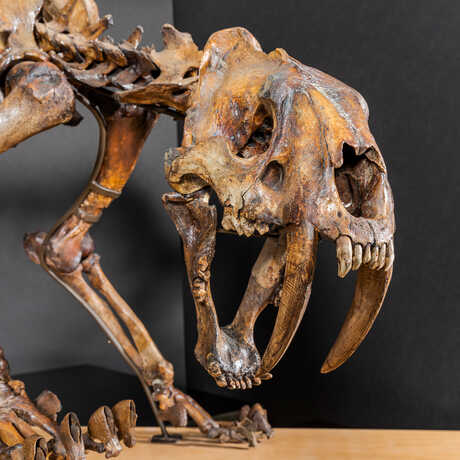
"Kitty," our California saber-toothed cat (Smilodon californicus) fossil, was collected from the La Brea Tar Pits in Los Angeles.
Peek into the past in an all-new exhibition of nearly 800 objects from the Academy's research collections.
Gems and Minerals Unearthed
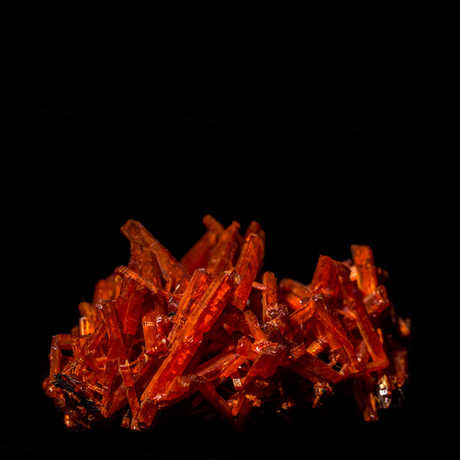
Marvel at nearly 400 dazzling and dramatic gem and mineral specimens from the Academy's geology collection.
Academy in Action
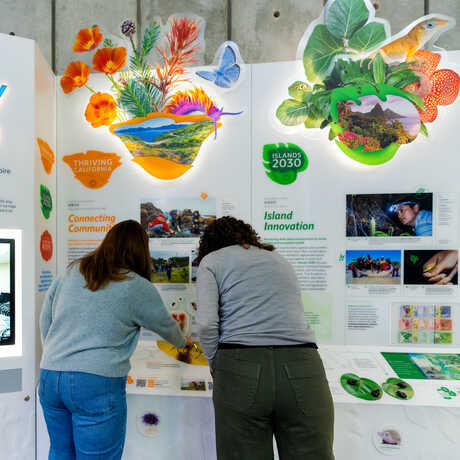
Our colorful new mini-exhibition brings our three regeneration initiatives out of the field and into the museum.
Color of Life
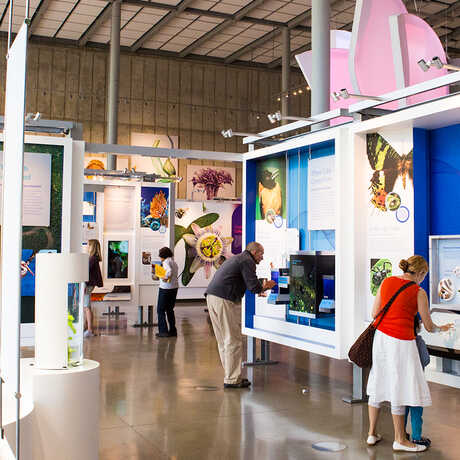
Live animals and hands-on exhibits reveal the significant role color plays across a vibrant spectrum of species.
California Coast
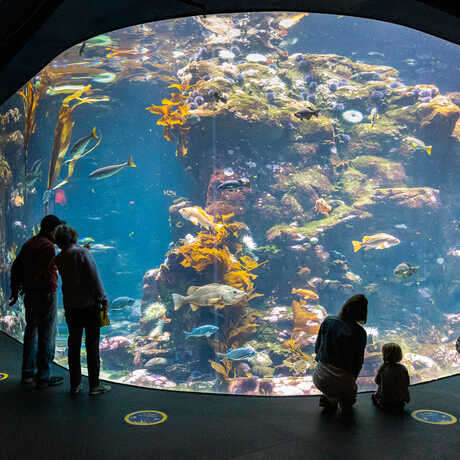
Get a glimpse of the richness right off our coast and gaze at rockfish, eels, anemones, sharks, and more.
New Science: The Academy Exhibit
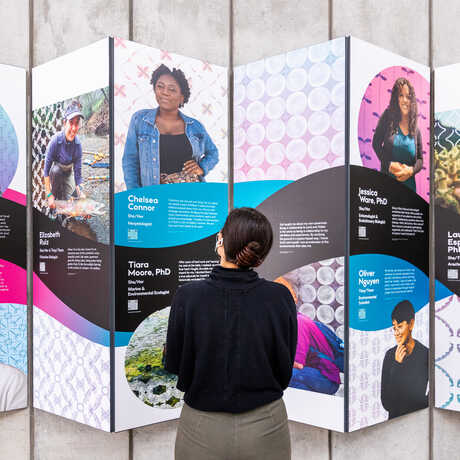
Celebrate LGBTQ+ women and gender minorities of color working in STEMM in an exhibit kiosk and online gallery.
The Swamp
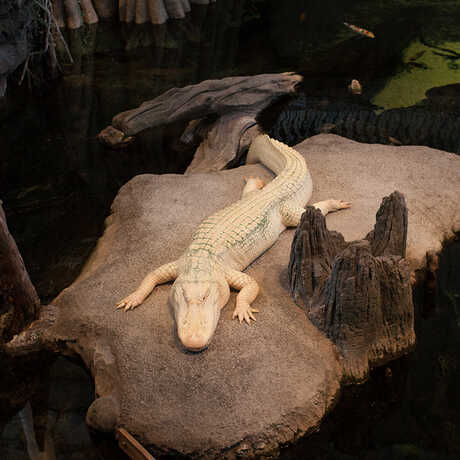
Explore a Southeastern swamp habitat, home to snapping turtles and our beloved alligator with albinism, Claude.
Philippine Coral Reef
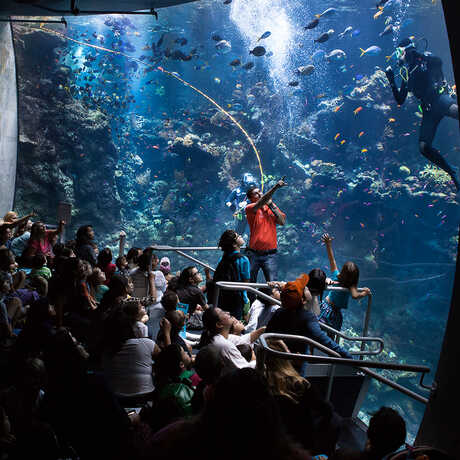
Watch reef fish dart through colorful forests of coral while giant rays sail gracefully under your feet.
Tusher African Hall
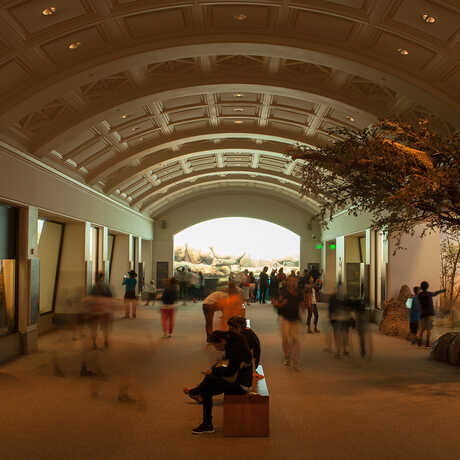
Explore our evolutionary history while surrounded by dioramas of African wildlife and splashing penguins.
Living Roof
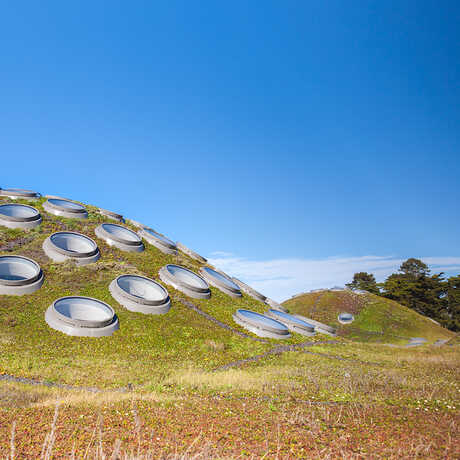
Rolling hills and 1.7 million plants create an oasis for native species atop the Academy's 2.5-acre living roof.
Human Odyssey
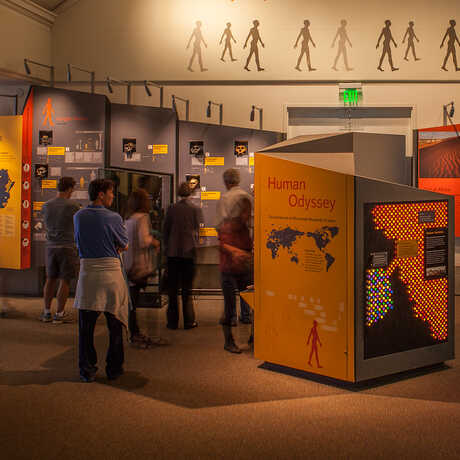
Trace the milestones of our species’ fascinating history by studying skull casts, interactive maps, and more.
Water Planet
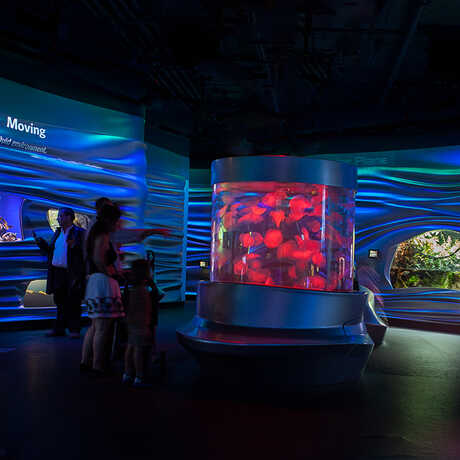
Discover how animals have evolved fascinating methods of living in and out of water.
Hands-on exhibitions
Wander Woods
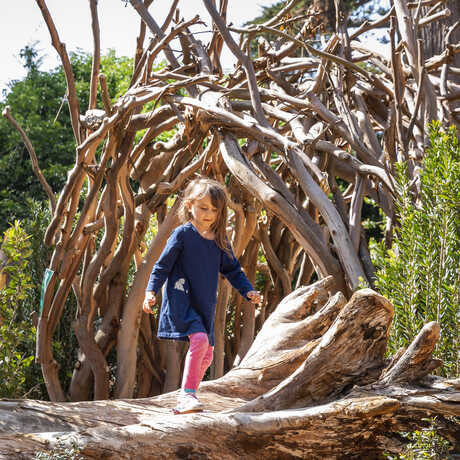
Activate your kids' curiosity about the natural world in our outdoor nature play and exploration space.
Curiosity Grove
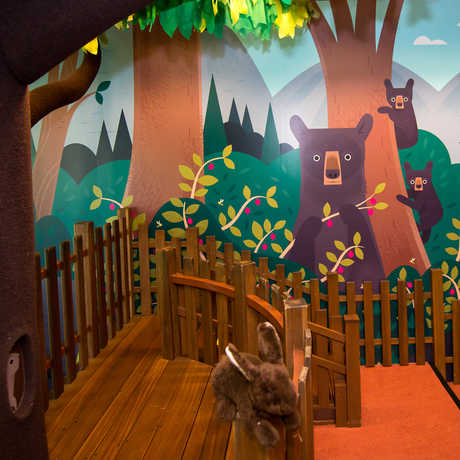
Young imaginations soar in this colorful, California forest-themed playspace. Open daily, 10 am-4 pm.
Naturalist Center
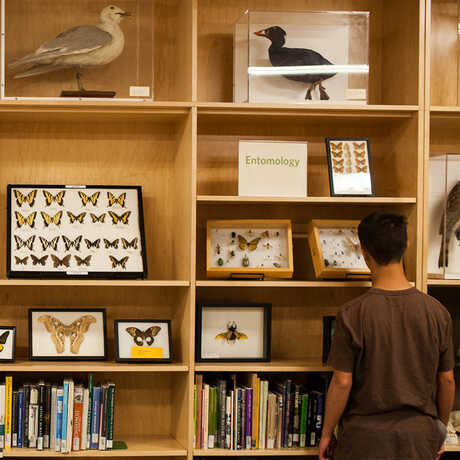
Welcome to the Academy's hub for exploration, with books, games, specimens, and more. Open daily; hours vary.